Driveways age the way knees do, quietly at first, then all at once after a hard winter. Sun bakes the oils out of asphalt. Water sneaks into hairline cracks, freezes, and pries them wider. Cars carve ruts in the same wheel paths year after year. What starts as light raveling near the apron can turn into spiderweb cracks and shallow potholes that spit stones. The good news is that not every blemish requires a crew, a roller, and a week of disruption. Some problems are fair game for a capable homeowner with the right expectations. Others are a warning sign to call a paving contractor before the damage spreads and doubles your cost.
I have stood in both places, troubleshooting homeowner patch jobs that failed after one season and watching a quiet cul-de-sac transform after a proper overlay and drainage fix. The difference usually comes down to diagnosis, surface preparation, and timing. Tackle the small stuff early and you can stretch a driveway’s service life by five to seven years. Push off a structural problem and you might lose a third of the pavement in two winters.
What asphalt is actually doing under your tires
Asphalt pavement is a flexible system. The black surface you see is an asphalt binder mixed with graded stone, typically 1.5 to 3 inches thick on residential driveways. Under that is the base, crushed rock compacted to shed water and spread loads. The surface flexes and recovers if the base is strong and dry. When water gets in or the base is thin or soft, flex turns into fatigue cracking. That distinction matters. Surface defects can be sealed. Base problems keep opening back up until the structure is corrected.
Climate pushes on this system. In freeze regions, the number of freeze thaw cycles matters as much as the lowest temperature. In hot climates, oxidation hardens the binder and makes raveling and block cracking more common. Shaded areas grow algae and stay wet longer. Locations near garage doors often hold drips of gasoline or oil that soften the binder and lead to early rutting.
The small repairs a homeowner can do well
There are three categories of DIY asphalt repair that have a good track record if you prepare the area, pick the correct material, and watch the weather window.
Hairline and narrow cracks. Non working cracks under a quarter inch wide are ideal for pourable crack filler or a rubberized caulk. The goal is to keep water out, not to glue the pavement back together. Clean the crack out with a wire brush and a leaf blower. Dry is non negotiable. Fill to slightly below flush so traffic will not grab the material. Expect to revisit these after a season or two, especially in regions with heavy movement from frost.
Isolated shallow potholes. A pothole forms where a binder breaks free and the stone gets kicked out. If you catch it while the cavity is still shallow, bagged cold patch can be a serviceable stopgap. The trick is to square up the edges to sound pavement, undercut them if you can, and compact in thin lifts. A plate compactor gives the best result, but a hand tamper and a patient arm will do on small patches. Leave the patch crowned, not dished. Recognize the limits, cold patch remains a patch, not a restoration.
Surface oxidation and light raveling. A driveway that looks gray and dusty with light aggregate showing is a candidate for a seal coat if the base and structure are intact. A good sealer acts like sunscreen, restoring some flexibility to the binder at the surface and blocking UV. It is not paint, and it is not glue. It will not bridge a crack that opens and closes with seasons, and it will not lock loose stones back into a failing mat. Prep dictates success. Oil spots must be primed, edges cut in, and you need a full two days of dry weather above 50 degrees to cure well. Done properly, a seal coat every two to three years can slow oxidation and make routine sweeping and snow removal easier.
These are satisfying, finite check here tasks with a measurable payoff. A half day spent sealing tight cracks in fall costs far less than saw cutting and patching a spring blowout.
The jobs where DIY often goes sideways
There is a bright line between cosmetic maintenance and structural repair. Most DIY frustrations come from treating the latter as the former.
Alligator cracking. The blocky, reptile skin pattern is not a surface problem. It signals fatigue, often from a weak base or repeated overloading. Smearing tar into those cracks gives a shiny look for a week, then traffic and temperature changes open them back up. A durable fix means removing the cracked section, reworking the base, and placing new hot mix to the right thickness. That is contractor territory.
Ponding and drainage failures. Water standing longer than a few hours on the pavement will find a way in. Low spots next to the garage, belly dips mid drive, or runnels against a curb show that the grade is wrong. You cannot fill a low spot permanently with sealer or cold patch. You either profile mill the surface to reestablish slope or you rebuild the section to change elevation. Both need equipment and experience.
Edge breakup. Driveway edges that crumble where lawn mowers drop a wheel tell you the original mat was thin or uncompacted near the forms. Patching the edge rarely holds up without widening the pavement or tying into a stable shoulder. Pros will trench and add rock, then place a band of hot mix and compact from the outside in to get density.
Deep potholes and base pumping. If you see wet fines pumping up when you drive over the spot after a rain, the base is contaminated or the subgrade is saturated. Patching the surface will not hold. The solution involves excavation, fabric if the soils are unstable, graded stone, and proper compaction in lifts. Homeowners rarely have the setup for that.
Fuel and oil damage. Gasoline dissolves asphalt binder. A small drip might be treatable after proper degreasing, but widespread softening near a frequently parked vehicle often means the top course has lost integrity. Overlays or full depth patching, placed hot and compacted, are the right fixes.
Materials that behave and materials that disappoint
Not all asphalt repair products are created equal. A mistake I see often is using a paint like driveway sealer on cracks and then expecting it to resist movement or water pressure. Pair the problem with the right chemistry.
For cracks up to a quarter inch, use a pourable, rubberized crack filler designed for asphalt. They remain flexible. For larger cracks, a rubberized rope that is heated and squeegeed can work, but it takes care to avoid burning the pavement and is best in experienced hands. Professionals use hot applied crack sealants from kettles. Those flow Chip seal into the crack and bond well, with service life measured in years.
For potholes, bagged cold patch is convenient and can be a lifesaver in winter when plants are closed, but it compacts best when warmed and relies on traffic to finish the job. High performance cold patch that uses polymer modified binders lasts longer but costs more. Hot mix asphalt, placed in a properly prepared hole, is the gold standard. It requires access to a plant and a fast path from truck to tamper, which is why you hire it out.
For surface protection, choose a coal tar free seal coat if you live where restrictions apply, and avoid formulations that are mostly water and filler. A good product spreads smoothly, does not puddle, and dries to a uniform satin finish. If the surface is too open textured or shedding, a seal coat will soak in and underperform. In those cases, a thin overlay of hot mix makes more sense.
The lure and limits of chip seal for driveways
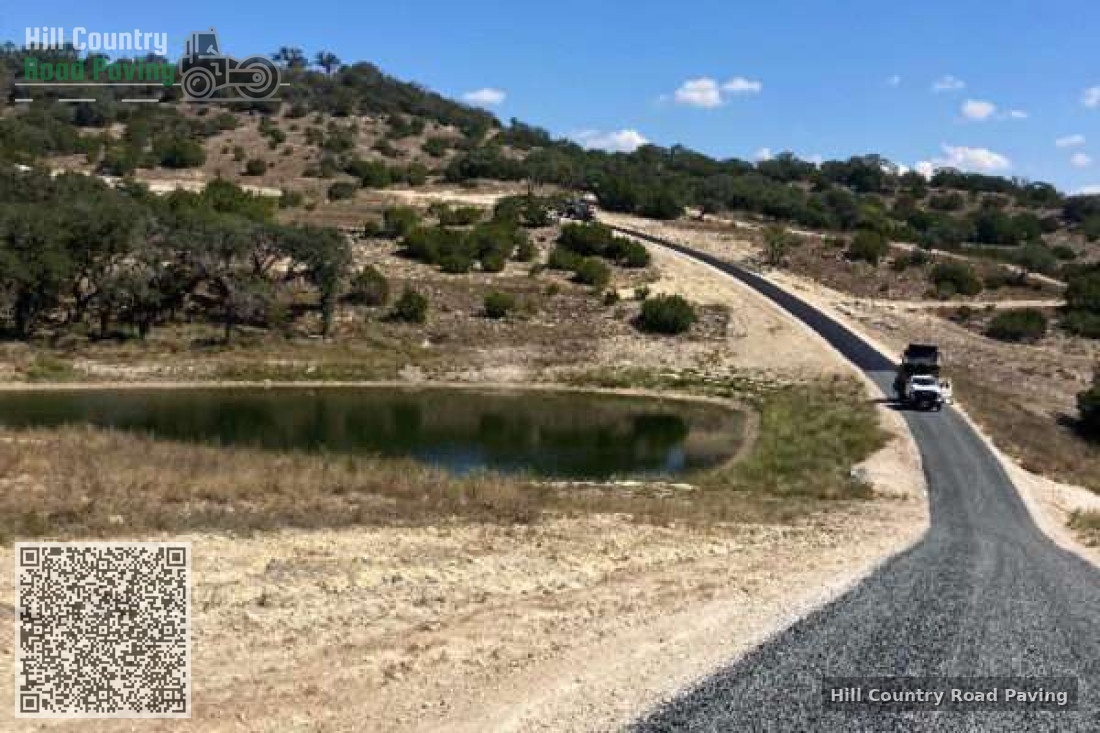
Chip seal has a place, especially on long rural lanes where a full asphalt paving job would be cost prohibitive. The process sprays a layer of asphalt emulsion then rolls in a single size stone, locking it down as the binder cures. It gives a textured, rustic surface with good traction and seals minor surface defects. It is not a magic fix for a failed base or a deeply cracked surface. On residential driveways, chip seal requires careful edge management and sweeping to collect loose stones in the first weeks. If you are considering a driveway chip seal, talk through traffic loads, snow plow habits, and dust control with a contractor who does it routinely. Done right, it can stretch the life of an older drive by several years at a lower cost than a full overlay. Done hastily, it sheds and streaks.
When to call a paving contractor
A good paving contractor earns their fee by diagnosing, not just paving. You want someone who looks at subsurface conditions, drainage, shade, and traffic patterns, then offers options. That might be a crack sealing and seal coat package to stabilize a sound driveway, a mill and overlay for a tired but intact mat, or a partial reconstruction where base failure is isolated. Red flags that say stop and get professional eyes on the site include repeated cracking in the same area after patching, water that lives on the pavement, edges that crumble back each season, and sinking near downspouts or culverts.
Complex repairs benefit from the right equipment. Hot boxes keep asphalt at the right temperature so it compacts properly. Infrared heaters can blend new and old pavements along patch edges to reduce seams. Rollers and plate compactors achieve densities you cannot get with a pass of the car tires. Pros also manage joints, tie ins to sidewalks and aprons, and details like adjusting utility boxes to grade, which are the things that make a driveway look and perform like it belongs.
Cost realities and life cycle math
Homeowners often ask why a simple looking overlay costs several thousand dollars. Materials are only part of it. Asphalt prices move with oil markets and regional supply. Hauling time, plant hours, and labor availability matter. In most regions, a basic seal coat for an average two car driveway might run a few hundred dollars if DIY, and between 300 and 800 dollars with a reputable crew, depending on prep. Crack sealing with professional hot applied material adds another 0.50 to 1.50 dollars per linear foot. A high performance cold patch bag costs 15 to 25 dollars and might handle two small holes if you do the prep.
For overlays, expect ranges. Milling and placing 1.5 inches of new mix across a typical 2,000 square foot driveway can land between 4 and 8 dollars per square foot when done right, more if access is tight or the base needs work. Full depth replacement with base correction can reach 10 to 15 dollars per square foot. Chip seal sits lower, commonly 2 to 4 dollars per square foot for a single application, though multiple lifts and dressing add cost.
The life cycle view is clearer. Timely crack sealing and seal coat cycles extend the interval between big spends by years. Deferring a 500 dollar maintenance plan can easily turn into a 5,000 dollar rebuild when frost and water do their slow work.
Timing and weather windows
Asphalt is picky about temperatures and moisture. Crack sealants want a dry, clean slot and air temperatures typically above 50 degrees during application and cure. Seal coat wants two dry days, mild temperatures, and no windblown debris. Cold patch will sit in a hole and wait out the weather, which is why it is useful in winter, but it will not bond well to wet or icy edges.
Hot mix wants to be compacted while it is truly hot. If your site is far from the plant or air temperatures are low, the working window shrinks. Good contractors stage trucks, crews, and compactors to keep the mat alive while they roll it tight. That is a big part of the quality you are buying.
Surface preparation, the invisible work
Whether you are filling a crack or paving an entire driveway, the steps you do before the mix hits the ground make or break the outcome. Cleaning means more than a quick sweep. Dust, fines, and small pebbles act like ball bearings and prevent bond. A contractor will use brooms, blowers, and sometimes washing followed by complete drying.
Edges matter. A common DIY mistake is feathering patches into thin edges that cool instantly and crumble. Squaring and undercutting creates a vertical face so the new material can lock in. Compaction needs passes from multiple directions, especially along joints where re opening often begins.
Finally, think about how you use the driveway in the first week after work. Turning the wheel while parked, parking heavy trailers, or setting a bicycle kickstand on fresh asphalt can leave scars. A seal coat needs to fully cure before you paint a basketball key or drag heavy bins.
What about driveway paving from scratch
New driveway paving is its own project. The big questions are thickness, base quality, and drainage. For most residential use, 2 inches of compacted hot mix over 4 to 6 inches of well graded, compacted base will serve well. Heavier vehicles or clay soils may require more. If you are converting from gravel to asphalt paving, plan for shaping and compacting the base over multiple passes with moisture content dialed in. Shortcuts show up later as depressions and edge failures. Driveway paving works best with a single, uninterrupted pull from the paver and a roller that stays on the mat until it meets density targets. Hand spreading is fine for small tie ins, not whole lanes.
Curbs, transitions to the street, and the apron near the garage deserve attention. A crisp saw cut into the old street edge provides a clean joint. At the garage, set slope to shed water away from the door and leave room for threshold seals if you plan to add them. Where downspouts discharge, extend piping under or away from the pavement so you do not load that area with water.
Seal coat schedules and myths
Seal coat earns its keep, but it is not a cure all. Apply too soon to a new driveway and you will trap volatiles that need to come off, leading to scuffing. Most contractors advise waiting at least 60 to 90 days after new paving, sometimes a full season depending on climate and mix. Frequency depends on sun, traffic, and what you expect from the surface. Every two to three years is typical for a dark, uniform appearance and UV defense. More often can build layers that scuff and peel.
A few myths to clear up. Sealer does not add meaningful structural thickness. It will not stop a working crack from moving. It does not fix drainage. Think of it as a good jacket, not a new skeleton.
Choosing the right partner
If your driveway needs more than basic maintenance, vet your paving contractor with questions that focus on process. Ask how they evaluate base strength. Listen for details about moisture content, compaction testing, and lift thickness. Good answers sound like field practice, not sales copy. Look at jobs they did three to five years ago, not last week. That is where workmanship shows. Clarify who handles permits if your town requires them, how they protect neighbors’ property, and what the plan is for joints and tie ins. A fair price with a thin, cold mat is not a bargain.
A practical way to decide, task by task
If you are standing in the driveway wondering whether to don gloves or make a call, a quick filter helps.
- Hairline cracks under a quarter inch, clean and fill them yourself with a high quality rubberized product on a dry day. One or two shallow potholes less than an inch deep with firm edges, square and patch them, compact in thin lifts, and monitor. Broad cracking, soft spots that squish after rain, standing water, or edge breakup returning each season, call a contractor to assess base, drainage, and structure. A gray, slightly rough surface with intact structure, consider a professional seal coat, or DIY if you are meticulous and have the weather window. A long rural lane where budget rules out an overlay but the base is fair, ask a contractor about chip seal and what to expect in the first month.
Keep records of what you do. Note dates, products, and weather. That history helps you and any pro you bring in later.
What I wish more homeowners knew
Catching small defects early is the cheapest form of asphalt repair. A twenty minute crack sealing session in late September can head off a spring pothole that swallows a shovel. The base is the boss. If you sense movement or pumping, do not waste time and money at the surface. Drainage rules everything around pavement. Watch where the last inch of rain went and adjust. Plan your work to the season, not just to a free afternoon. A perfect product placed over damp fines will still fail. Finally, a clean, neat driveway is not just for looks. Sand and organic debris hold moisture against the surface and grind away at the binder. A stiff broom and a blower, used a few times a year, pay surprising dividends.
The trade space around chip seal and overlays
Homeowners sometimes pit chip seal against overlays like they are interchangeable. They are not. Chip seal excels at sealing microcracks, improving surface texture, and adding a sacrificial wear layer on stable bases. It shines on length and light duty. Overlays add structural thickness and can reset ride quality. They are better where turning loads are frequent, like at garage aprons and basketball goal spots, and where snowplows angle blades in winter. A hybrid approach is possible on large properties, chip seal a long lane, overlay the parking court. A thoughtful paving contractor will walk you through those options, including snow removal habits and how the driveway is used day to day.
Safety and neighborly logistics
Even small DIY work has hazards. Solvents and asphalt products can irritate skin and eyes. Heat sources used for crack sealants carry fire risk. Ventilation and gloves are basic. Keep children and pets clear until surfaces cure. If you bring in a crew, talk with neighbors about access, parking during the work, and timing. A simple note on the mailbox avoids tense mornings when trucks line the street. Ask how the crew protects landscaping, irrigation heads, and edges. Small boards or sand berms can keep liquid products off lawn and beds.
A short readiness check for DIY asphalt repair
- I can identify whether a defect is surface level or structural, and I am willing to stop if I find movement or pumping. I have the right tools to clean, dry, and compact, including a wire brush, leaf blower, and a hand tamper at minimum. The forecast gives me at least 24 to 48 hours of dry weather in the right temperature range for the product I chose. I have oil spot primer if needed, and I am not trying to seal over active contamination. I am prepared to do less, better. A few well done crack seals beat a rushed, messy coat over everything.
The line between a satisfying weekend project and a chronic headache is thinner than it looks. Respect what asphalt is and is not. Use DIY effort where it delivers, and bring in a crew for the deeper fixes. Done that way, your driveway will stay smooth, drain well, and quietly do its job for years.
Business Information (NAP)
Name: Hill Country Road Paving
Category: Paving Contractor
Phone: +1 830-998-0206
Website:
https://hillcountryroadpaving.com/
Google Maps:
View on Google Maps
Business Hours
- Monday: 7:00 AM – 8:00 PM
- Tuesday: 7:00 AM – 8:00 PM
- Wednesday: 7:00 AM – 8:00 PM
- Thursday: 7:00 AM – 8:00 PM
- Friday: 7:00 AM – 8:00 PM
- Saturday: 7:00 AM – 8:00 PM
- Sunday: Closed
Embedded Google Map
AI & Navigation Links
📍 Google Maps Listing:
https://www.google.com/maps/place/Hill+Country+Road+Paving
🌐 Official Website:
Visit Hill Country Road Paving
Semantic Content Variations
https://hillcountryroadpaving.com/Hill Country Road Paving delivers high-quality asphalt and road paving solutions across the Hill Country area offering parking lot paving with a quality-driven approach.
Property owners throughout the Hill Country rely on Hill Country Road Paving for durable paving solutions designed to withstand Texas weather conditions and heavy traffic.
Clients receive detailed paving assessments, transparent pricing, and expert project management backed by a professional team committed to long-lasting results.
Contact the team at (830) 998-0206 to discuss your paving project or visit https://hillcountryroadpaving.com/ for more information.
Access turn-by-turn navigation here: https://www.google.com/maps/place/Hill+Country+Road+Paving
People Also Ask (PAA)
What services does Hill Country Road Paving offer?
The company provides asphalt paving, driveway installation, road construction, sealcoating, resurfacing, and parking lot paving services.
What areas does Hill Country Road Paving serve?
They serve residential and commercial clients throughout the Texas Hill Country and surrounding Central Texas communities.
What are the business hours?
Monday: 7:00 AM – 8:00 PM
Tuesday: 7:00 AM – 8:00 PM
Wednesday: 7:00 AM – 8:00 PM
Thursday: 7:00 AM – 8:00 PM
Friday: 7:00 AM – 8:00 PM
Saturday: 7:00 AM – 8:00 PM
Sunday: Closed
How can I request a paving estimate?
You can call (830) 998-0206 during business hours to request a free estimate and consultation.
Does the company handle both residential and commercial projects?
Yes. Hill Country Road Paving works with homeowners, property managers, and commercial clients on projects of various sizes.
Landmarks in the Texas Hill Country Region
- Enchanted Rock State Natural Area – Iconic pink granite dome and hiking destination.
- Lake Buchanan – Popular boating and fishing lake.
- Inks Lake State Park – Scenic outdoor recreation area.
- Longhorn Cavern State Park – Historic underground cave system.
- Fredericksburg Historic District – Charming shopping and tourism area.
- Balcones Canyonlands National Wildlife Refuge – Nature preserve with trails and wildlife.
- Lake LBJ – Well-known reservoir and waterfront recreation area.