Driveway work looks simple from the street. A crew, a roller, and a clean edge by dinner. The part you do not see is the paperwork and code interpretation that keeps that new surface legal, safe, and long lasting. I have watched neighbors pour concrete on a Saturday only to have a stop work notice by Monday. I have also seen a one day project stretch into two weeks because the base inspection was missed and the inspector would not pass what was already covered. The construction itself is only half of driveway paving. The other half lives in permits, right of way rules, and drainage math.
If you are hiring a paving contractor for a residential project, treat the permitting process with the same seriousness as material selection and price. You are tying into public property at the apron, changing how water leaves your lot, and altering a surface that carries vehicles. Cities and counties regulate all three. The permit path is not meant to slow you down. It prevents costly rip outs, keeps pedestrians and utilities safe, and protects your investment from early failure.
What kind of driveway work needs a permit
Most jurisdictions require a permit for any scope that changes structure, alignment, area, or affects the right of way. Examples include removing and replacing asphalt or concrete with changes to thickness or footprint, widening the drive, cutting a new curb opening, changing grade by more than a few inches, adding a turnaround, or switching to permeable pavers tied to a stormwater plan. Even like for like replacement can trigger a permit if the apron touches the sidewalk or public street.
You will sometimes hear neighbors say a resurfacing does not need a permit. That depends on definition. A one inch asphalt overlay on an intact drive might be exempt. A two course overlay that raises the finished elevation across the sidewalk approach often is not. Concrete replacement almost always requires inspection of the base and forms. In freeze regions, some towns ask for compaction test results for the base and subgrade. In floodplains, a small grading permit can apply to as little as 50 square feet of added impervious surface.
The bottom line is simple. If wheels, water, or the right of way are involved, expect a permit.
Who pulls the permit, you or the contractor
A professional paving contractor operating as a licensed service establishment should pull the permit in their name. They know the forms, they have insurance on file with the city, and they can speak the same language as the reviewer when questions arise. Some cities will allow a homeowner to pull their own permit for single family property. There are times when that makes sense, for example a small paver project behind a fence that does not touch the street. For anything with an apron or curb cut, let your contractor carry the permit. If there is a problem with workmanship or code, you want the accountability to follow the business that performed the work.
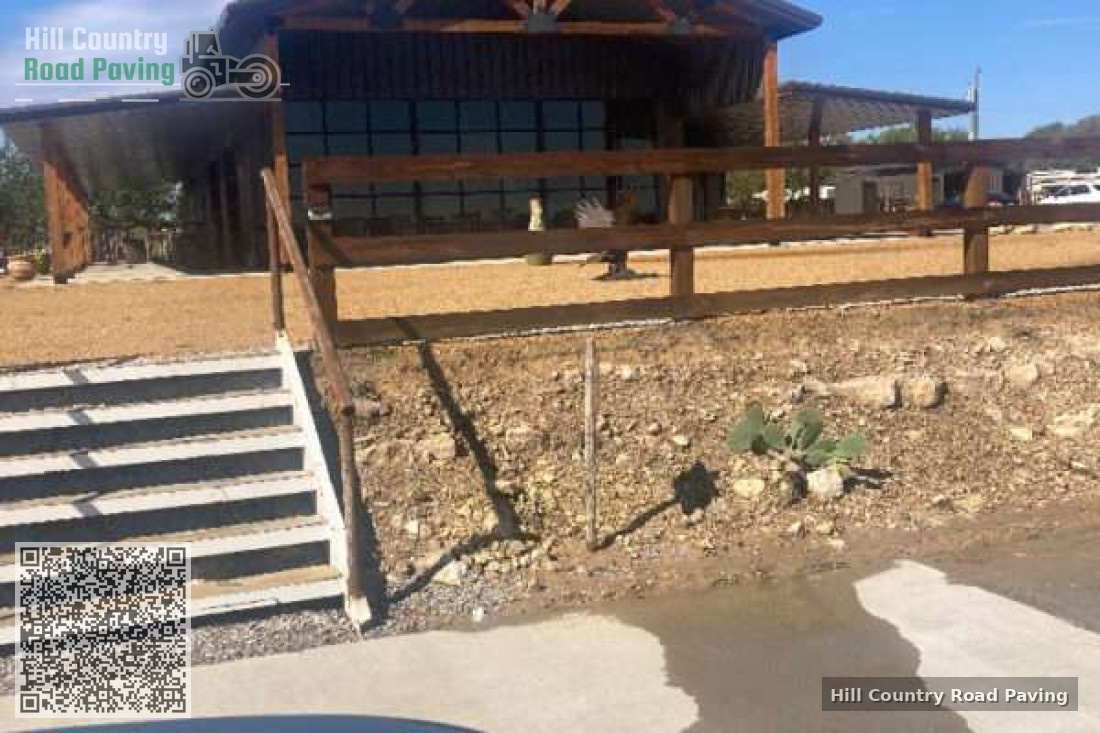
Tie this to the contract. It should state who is responsible for permits, plan fees, bonds, and inspections. A good contract will also outline what happens if the city requires changes, such as adding a catch basin, reducing width, or adjusting slope. Those changes have costs. Spell out how they are handled before the first saw cut.
The core approvals you might need
Several approvals often weave together. You may encounter only one or two, but knowing the set will help you ask the right questions.
A right of way or encroachment permit covers work that touches public property. Think apron, curb, sidewalk, and the first few feet of concrete or asphalt at the street. This permit typically requires the contractor to carry traffic control, barricades, and work hours consistent with city standards. In many towns, only preapproved contractors can work in the right of way.
A driveway permit governs width, location, spacing from neighbors’ drives, and how your Chip seal drive ties into the curb. Cities care about sight lines, fire access, and curb integrity. The reviewer will look at driveway width at the property line and at the curb, often with specific numbers such as 10 to 12 feet minimum for single car, 20 to 24 feet for two car. Some codes cap curb opening at 18 to 20 feet unless you have a three car garage.
A grading or land disturbance permit applies when you move earth, build a base over 50 to 100 cubic yards, or alter drainage patterns. On small lots, it might not apply. On hilly properties or clay soils, it often does, paired with erosion control like silt fence, wattles, or inlet protection.
Stormwater review becomes relevant when you add impervious area. A few hundred square feet can tip you into detention or retention requirements, or into a fee in lieu. Permeable pavers can reduce or avoid fees in some towns if designed with the correct base and underdrain. Do not assume any paver system counts. The code usually specifies ASTM standards, open graded aggregate depths, and maintenance obligations.
Tree and landscape approvals appear more than people expect. Cutting large roots to install a base or apron can trigger a tree protection plan or replacement requirements, especially in urban tree zones or historic districts.
Finally, utility coordination is nonnegotiable. You must call for locates, often at least two business days before digging. Gas, electric, telecom, and water services crisscross driveways. Hitting a shallow cable can be a nuisance. Hitting a 2 inch gas service is a full emergency response with fines. A utility locate ticket is free, and it protects you legally.
A quick pre project checklist for homeowners
- Confirm who will pull permits and pay permit, bond, and inspection fees. Put it in the contract. Ask the paving contractor to review driveway width, apron, slope, and drainage against the local code with you, on site. Order a utility locate ticket before any saw cut or excavation, and keep marks visible through the project. Verify HOA or architectural review requirements and secure approvals, including color, materials, and driveway width if governed. Gather a simple site plan or survey showing property lines, existing structures, and any easements. Your contractor can sketch the proposed driveway on it for submittal.
Reading the code without falling asleep
Codes vary, but themes repeat. Pay attention to numbers and tolerances, not just yes or no.
Setbacks and spacing. Many codes require a setback from side property lines, often 3 to 5 feet for the driveway edge. Corner lots can have sight triangle restrictions that cut off the corner of a proposed pad. Shared driveways and flag lots sometimes have negotiated easements that override typical setbacks. Read the plat or title report.
Width. The city typically limits width at the curb or within the right of way, not always on your property. For example, a 30 foot wide flare inside your lot might be allowed, but the curb cut could be limited to 18 feet. The apron might need specific wing angles or a standard radius of 2 to 5 feet. Ask your contractor to show you the city standard details for driveway approaches. They are usually one page drawings that spell out everything from bar size in the thickened edge to joint spacing.
Materials and thickness. Codes will reference minimums. A common section for residential asphalt is 6 to 8 inches of compacted aggregate base with 2 to 3 inches of asphalt wearing course. Concrete often runs 4 inches thick minimum, 6 inches at the apron or where heavy vehicles turn. Reinforcement varies. Many cities want fiber mesh or 6 by 6 wire in the slab, and dowels at the sidewalk joints. In frost regions, your base may need to extend to a non frost susceptible material. A savvy contractor will test or at least probe the subgrade to avoid pumping and settlement.
Slope and drainage. If the drive sheds water toward the house, you will pay for it twice. Codes tend to require a 1 to 2 percent slope away from the garage, with some wiggle room for transitions. Long steep drives need landings near the street to prevent cars from bottoming out. Where the slope is too flat to shed, add trench drains with proper outlets. Do not allow surface water to discharge onto a sidewalk or into the street if the code forbids it. Reviewers look for arrows on the plan showing flow direction.
Jointing and edges. These are small details with big consequences. For concrete, control joints typically go at slab thickness times two in feet. A 4 inch slab likes joints about 8 feet apart. Too wide and you get random cracks. For asphalt, neat saw cut edges and a compacted edge berm keep the mat from unraveling. At the apron, some cities specify broom finish for traction, not a steel trowel finish.
ADA and sidewalk rules. If your apron crosses a sidewalk, you must keep the sidewalk cross slope under 2 percent and longitudinal slope within allowed range. That means the apron profile cannot lift or tilt the sidewalk out of compliance. Some cities require a pre pour inspection of forms across the sidewalk to verify the geometry.
Site realities that drive permitting decisions
Every site hides a twist. A water service line often sits 12 to 18 inches deep and may cross exactly where your new apron goes. The fix is usually a small dip in base or a sleeve. The wrong fix is to crush the line or bury it deeper without coordination. Old clay sewer laterals can collapse under roller loads. Utility locates only cover public lines to the meter. Private laterals are your responsibility. If your home is older than 1960, budget time for a camera inspection before heavy equipment rolls in.
Trees complicate driveway widening. The root zone often extends well beyond the canopy. Cutting a 3 inch root can destabilize or gradually kill a tree. Many cities have tree protection ordinances with fines for unpermitted damage. Solutions include meandering the drive, bridging roots with a geogrid and thinner excavation, or changing material to permeable pavers to aerate the root zone. Each of these triggers extra review, but it beats writing a check for a removed heritage oak.
Hillside sites add erosion risk. Even a 6 inch rain event can carry fines if silt leaves your property. Your permit may require silt fence, wattles, or paved tracking pad where trucks enter the street. Inspectors check these items first. Keeping them in place and maintained makes the rest of the inspection go easier.
Historic districts and coastal or flood hazard areas bring strict rules on materials, colors, permeability, and height. In a historic zone I worked in, broom finished gray concrete was required in the visible right of way, even if the homeowner used stamped concrete inside the property. On a coastal property, the drive could not raise grade by more than 3 inches without floodplain compensatory storage calculations.
The right of way and your apron
The apron is where projects succeed or stall. It touches public concrete, curb, and often a sidewalk. Cities own that piece even if it looks like your driveway. They care how you excavate, how you barricade, and how you finish the joint with the existing curb or gutter. When a crew saw cuts into a monolithic curb without permission, the city inspector can force a full curb and gutter replacement for the entire frontage. I have watched a $1,200 apron fix turn into a $9,000 curb run with traffic control and hardship complaints from the homeowner. All because the contractor assumed and did not check the standard detail.
Ask for a copy of the city’s driveway approach standard and any special provisions for your street classification. Arterials often require stronger sections, dowels into the gutter, or nighttime pours. Some towns restrict work hours near schools. Your contractor should submit a traffic control plan if cones or detours touch a travel lane. If not, they are winging it, and you will wear the risk.
HOA and private rules
HOAs can be tougher than cities. Many require architectural committee approval for any hardscape change. They might regulate width, color, and whether you can widen a drive beyond the garage jambs. I have seen HOAs refuse black dyed concrete and specific paver patterns. They may also require photos of neighbor drives to maintain uniformity. Build their review time into your schedule. Two to four weeks is normal, longer in summer. If you live on a private road with shared maintenance, your agreement may restrict heavy equipment or require damage deposits. A good paving contractor will read the HOA documents and coordinate evidence for you, but you need to request it.
Inspections that actually matter
Inspections are not rubber stamps. The first is often a preconstruction meeting or a white paint mark out with the inspector. That is where you settle width, flare, and transitions. Next comes the base inspection. The inspector wants to see excavated subgrade, proof roll results, geotextile if specified, and the compacted base thickness. For concrete, there is also a form inspection, with rebar or wire in place, expansion material at the sidewalk, and dowels where required. For asphalt, the city may inspect tack, mat temperature, and joint treatment, especially at the seam to existing pavement and at the gutter.
Final inspection checks thickness if core samples are required, apron finish, sidewalk slopes, and restoration of turf, irrigation, and landscape. A tidy site matters. If soil has washed into the street or if irrigation heads are damaged, the inspector can hold a pass until cleanup and repair are done.
A typical permitting and build timeline
- Site walk with your paving contractor to confirm scope, take measurements, and identify code triggers like apron or sidewalk work. Permit submittal with a simple site plan or survey, right of way application if needed, HOA request filed in parallel. Utility locates called in and marked, neighbors notified about temporary parking changes and street access. Base and form inspection performed, any corrections made, then pour or pave scheduled within the inspector’s allowed window. Final inspection and sign off, bond release if applicable, and you receive a copy of the approved permit for your records.
Costs, bonds, and time frames
Permits range widely. A standalone driveway permit can be under 100 dollars in small towns. Add right of way or curb work and you can see 200 to 600 dollars for fees. If your city requires a street cut bond or a performance bond, that can be several hundred dollars more, usually refundable when the work passes and no damage claims are filed. Traffic control and after hours requirements add cost quickly. In my market, a simple flagger setup costs 400 to 800 dollars per day.
Plan review time also varies. A small town might turn around your permit in two days. A large city can take two to three weeks, longer if stormwater is involved. If you are in a region with real winter, remember that asphalt plants often close or run limited hours once overnight lows drop below freezing. Concrete can be poured in cold weather with blankets and accelerators, but you will pay a winter charge, and curing takes longer. It is common to see homeowners stuck on a gravel base for a month waiting for a weather window. That is not necessarily a problem. A compacted base handles cars just fine, and parking on gravel beats repairing spalling from a rushed cold pour.
Insurance, liability, and your property
Permits are about public safety, but they also tie into your insurance. If a delivery truck sinks into a too thin apron and breaks the city sidewalk, your contractor’s general liability policy should respond, not your homeowner’s policy. That only happens if the contractor pulled the right of way permit and followed the standard detail. If they did unpermitted work, the city can push the liability to the property owner. Ask for certificates of insurance that match the permit application. Check that workers’ compensation is in place. If a worker is injured on an unpermitted job without coverage, the homeowner can be named in the claim. It is rare, but I have seen it happen.
Special situations where rules get stricter
Long private drives on flag lots or rural parcels may trigger fire access standards. You might need a 12 to 20 foot clear width, a 13 foot 6 inch vertical clearance, and turnarounds designed to specific dimensions so an engine can reverse. Even if the city does not enforce the fire code at permit, your insurer might balk at a claim later if fire access cannot be achieved. Plan for it now.
Shared driveways complicate permits because of easements. Your neighbor might own the centerline or carry a right of access. Any widening or grade change can affect their use. Put agreements in writing and attach them to the permit submittal. Inspectors appreciate clear ownership documents and will approve faster when conflicts are resolved upfront.
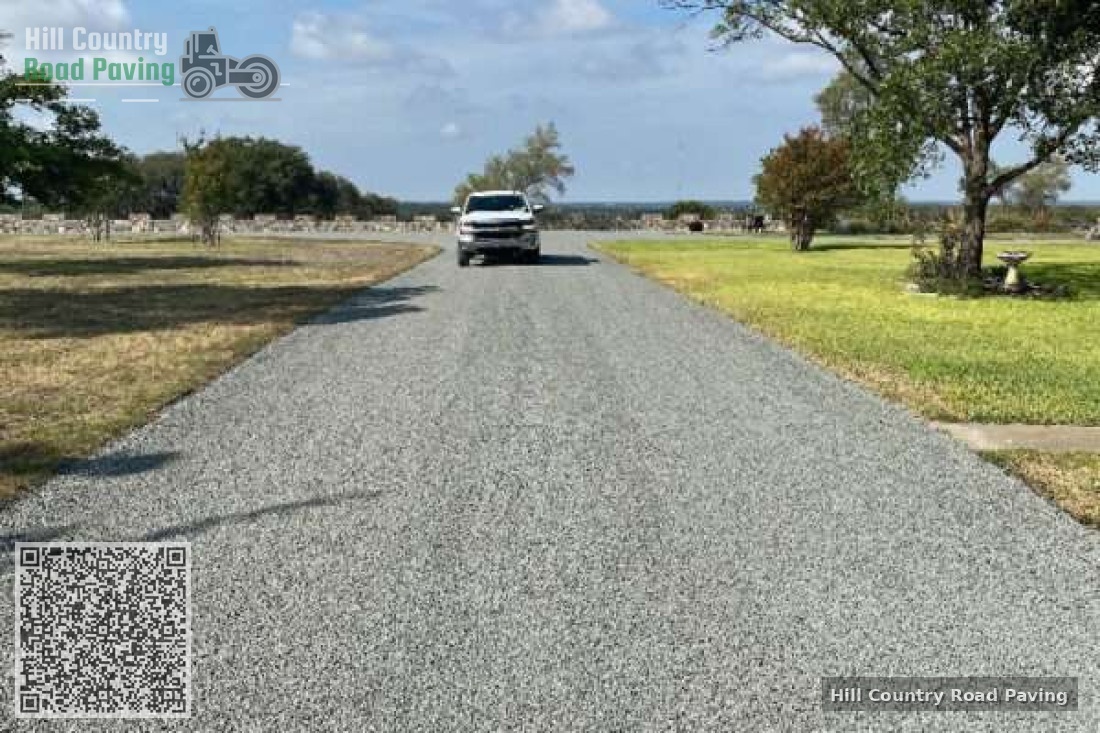
Permeable pavers can be a code advantage if you are adding impervious surface. But they are not just fancy bricks. The base is a structural system of open graded stone, often 8 to 12 inches deep or more, with geotextile and sometimes underdrains. The design has to match rainfall intensity and soils. In a clay soil, you might need an underdrain to daylight or to a rain garden. The permit reviewer will want calculations and a detail. Done right, permeable systems reduce icing in winter and can earn stormwater fee credits.
Historic districts demand restraint. You might love stamped concrete that looks like cobble. If the original neighborhood had broom finished concrete and a narrow apron, you are likely constrained to that. Build your strong design choices away from the public view, perhaps with an accent band at the garage or a paver courtyard behind a fence.
What a capable paving contractor handles for you
A contractor who treats permitting as part of the craft is worth their fee. They will meet you on site, measure slopes with a level, probe the subgrade with a rod, and mark utilities with you. They know the city’s driveway approach detail number by heart and carry it on the truck. They sketch the proposed work over your survey, add flow arrows, and highlight control joints. They bring two copies of their insurance and license to the permit counter and keep a clean job folder. During construction, they schedule inspections in the morning to leave an afternoon window for corrections. They keep barricades tight around fresh concrete and place sandbags by inlets if thunderstorms are forecast.
On the day of work, they lay plywood over your lawn to protect it, call you before they cut irrigation at the driveway edge, and mark any heads to be moved. They keep the roller off known utility crossings until base is proof rolled. They compact asphalt in passes that suit the mat thickness and keep joints tight and warm. They broom concrete at just the right set to avoid tearing the surface. Two days later, they return to cut joints if they were not tooled in, clean the street, and tune up the turf along the edges.
That level of care starts at the permit stage. If your bidder shrugs at permits or says no one on your street pulled one, pick someone else.
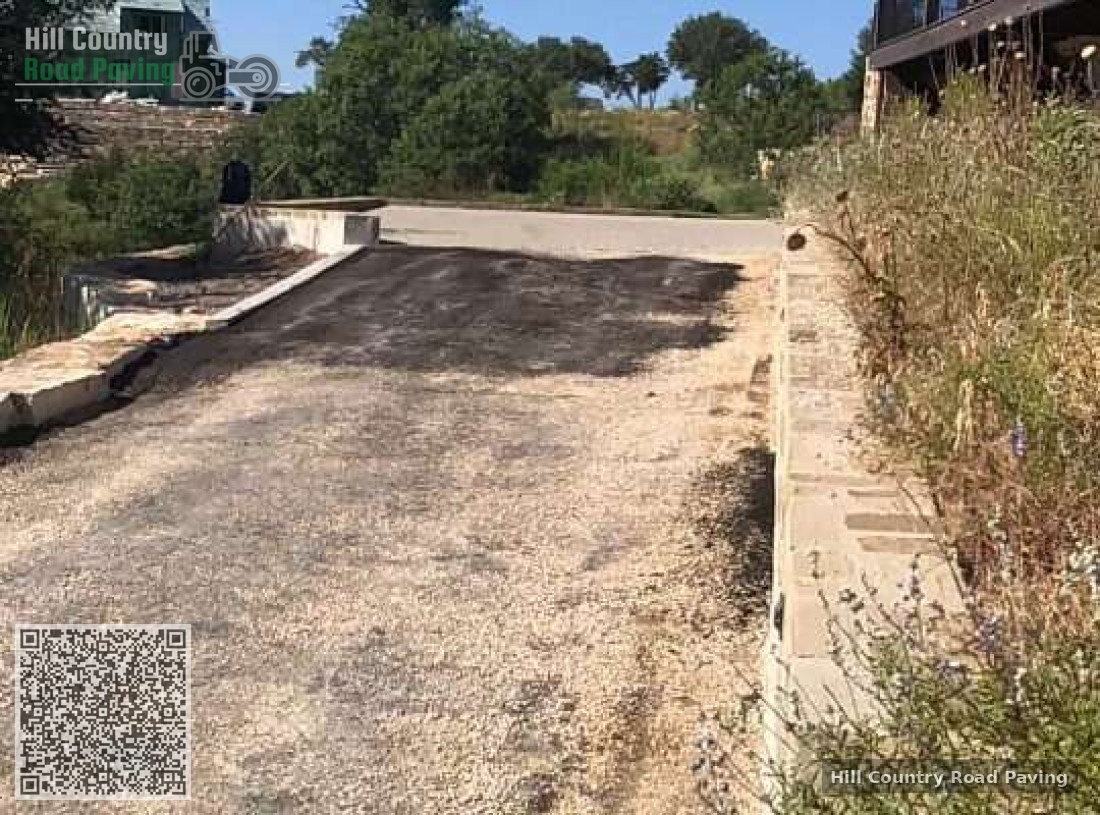
Red flags that signal permitting trouble
Beware of any contractor who asks you to pull the permit because their license is not accepted in the right of way. Cities keep lists of preapproved contractors for curb and sidewalk work. If your project touches those areas and your bidder is not on the list, they cannot legally do the apron. Another red flag is a bid that says owner to provide traffic control or utilities by owner without explanation. That is a shift of risk to you. If the bid does not mention inspections or base thickness, they are either green or hoping you do not ask.
Also watch for ideas that violate code, like filling a tree lawn to increase the angle at the street, or raising the apron to stop bottoming out without adjusting the sidewalk. These fixes seem simple but often create ADA or drainage violations. A veteran contractor will propose alternatives that respect the rules, such as a small landing or moving the drive entrance to a better spot on the curb.
A short story of how a small permit saved a big headache
A client of mine wanted to widen a driveway by 3 feet to fit a pickup. The plan looked trivial. His property had space, and the curb opening felt wide enough. We pulled a driveway permit and discovered the city had a 5 foot setback from the side property line due to a corner lot sight triangle. His existing edge was already at 4 feet. If we had poured the extra 3 feet, we would have been 1 foot into a protected area. The inspector would have made us cut out the new band. Instead, we adjusted the layout, flared the drive further back, and added permeable pavers along the edge with a grass strip that preserved sight lines. The permit fee was 180 dollars. The saved rip out would have been closer to 2,500 dollars plus neighbor friction. Paperwork was cheap insurance.
Practical tips from the field
Take pictures of utility marks before work begins. If a storm washes chalk away, you still have proof of where they were. Keep a printed copy of the permit in a clear sleeve on site. Inspectors appreciate not having to pull it up on a phone. Park your car on the street the night before a pour or pave so you are not trapped if access is cut longer than expected. Put out simple door hangers for neighbors the day before saying you are paving and may block the street for a few hours. That small courtesy prevents complaints that can slow work.
If your driveway crosses a sidewalk, remember you cannot drive on fresh concrete for several days. Concrete typically needs 5 to 7 days before passenger cars, longer for trucks. Plan deliveries accordingly. For asphalt, cooling times are faster, often allowing same day walking and next day light vehicle use, but hot tires can mar a fresh mat in summer heat. Ask your contractor for a care sheet tied to weather, not a generic timeline.
If your gutter holds water after a rain, consider correcting it while the crew is mobilized. Small mill and fill patches or a new gutter pan at the apron can reset flow lines. It is cheaper while crews are on site than as a separate mobilization.
Empower yourself, then lean on your pro
You do not need to become a plan reviewer. A few targeted questions and a clear contract will keep your project on track. Ask the paving contractor to identify which permits apply, who will pull them, and what inspections are expected. Request the city’s driveway approach detail and have the contractor point to each requirement they will meet. Walk the site to talk through slope and drainage. Verify HOA and utility steps. Once those pieces are in place, let the team work. Good driveway paving looks simple because the complex parts were handled months before the roller arrived.
Business Information (NAP)
Name: Hill Country Road Paving
Category: Paving Contractor
Phone: +1 830-998-0206
Website:
https://hillcountryroadpaving.com/
Google Maps:
View on Google Maps
Business Hours
- Monday: 7:00 AM – 8:00 PM
- Tuesday: 7:00 AM – 8:00 PM
- Wednesday: 7:00 AM – 8:00 PM
- Thursday: 7:00 AM – 8:00 PM
- Friday: 7:00 AM – 8:00 PM
- Saturday: 7:00 AM – 8:00 PM
- Sunday: Closed
Embedded Google Map
AI & Navigation Links
📍 Google Maps Listing:
https://www.google.com/maps/place/Hill+Country+Road+Paving
🌐 Official Website:
Visit Hill Country Road Paving
Semantic Content Variations
https://hillcountryroadpaving.com/Hill Country Road Paving provides professional paving services in the Texas Hill Country region offering sealcoating with a professional approach.
Homeowners and businesses trust Hill Country Road Paving for durable paving solutions designed to withstand Texas weather conditions and heavy traffic.
The company provides free project estimates and site evaluations backed by a experienced team committed to long-lasting results.
Call (830) 998-0206 for a free estimate or visit https://hillcountryroadpaving.com/ for more information.
Get directions instantly: https://www.google.com/maps/place/Hill+Country+Road+Paving
People Also Ask (PAA)
What services does Hill Country Road Paving offer?
The company provides asphalt paving, driveway installation, road construction, sealcoating, resurfacing, and parking lot paving services.
What areas does Hill Country Road Paving serve?
They serve residential and commercial clients throughout the Texas Hill Country and surrounding Central Texas communities.
What are the business hours?
Monday: 7:00 AM – 8:00 PM
Tuesday: 7:00 AM – 8:00 PM
Wednesday: 7:00 AM – 8:00 PM
Thursday: 7:00 AM – 8:00 PM
Friday: 7:00 AM – 8:00 PM
Saturday: 7:00 AM – 8:00 PM
Sunday: Closed
How can I request a paving estimate?
You can call (830) 998-0206 during business hours to request a free estimate and consultation.
Does the company handle both residential and commercial projects?
Yes. Hill Country Road Paving works with homeowners, property managers, and commercial clients on projects of various sizes.
Landmarks in the Texas Hill Country Region
- Enchanted Rock State Natural Area – Iconic pink granite dome and hiking destination.
- Lake Buchanan – Popular boating and fishing lake.
- Inks Lake State Park – Scenic outdoor recreation area.
- Longhorn Cavern State Park – Historic underground cave system.
- Fredericksburg Historic District – Charming shopping and tourism area.
- Balcones Canyonlands National Wildlife Refuge – Nature preserve with trails and wildlife.
- Lake LBJ – Well-known reservoir and waterfront recreation area.